People love their trees, and rightly so. A mature Douglas fir or bigleaf maple can take 50 years to grow and adds real value and beauty to a property. So when a homeowner calls us worried about one, our first job is not to sell a removal. It is to give an honest answer: does this tree have to come down, or can it be saved? Here is how an ISA Certified Arborist tells the difference.
Signs a tree may need to come down
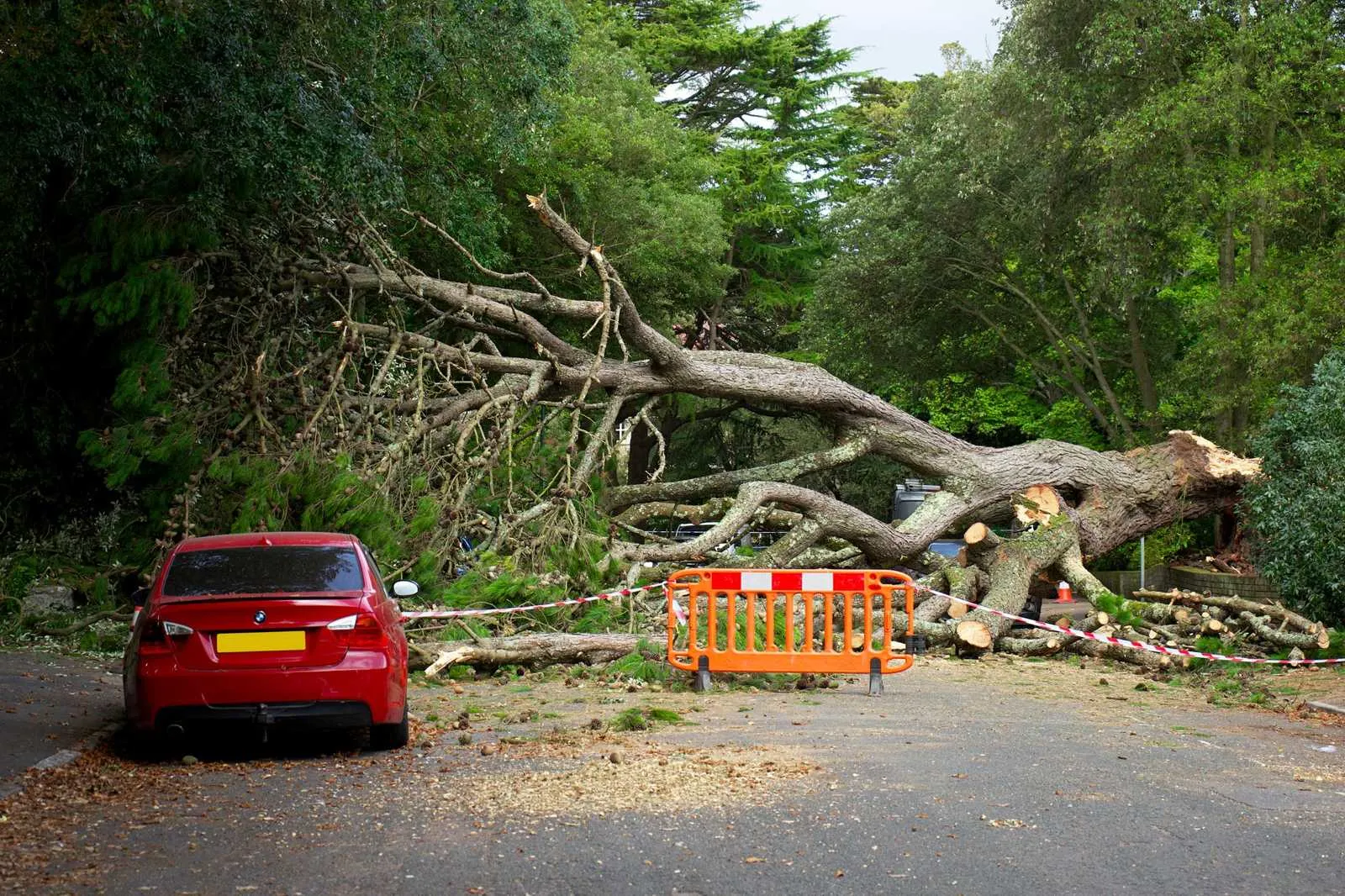
No single sign is a death sentence on its own, but several of these together usually mean removal is the safe call.
Large dead sections or a dead top
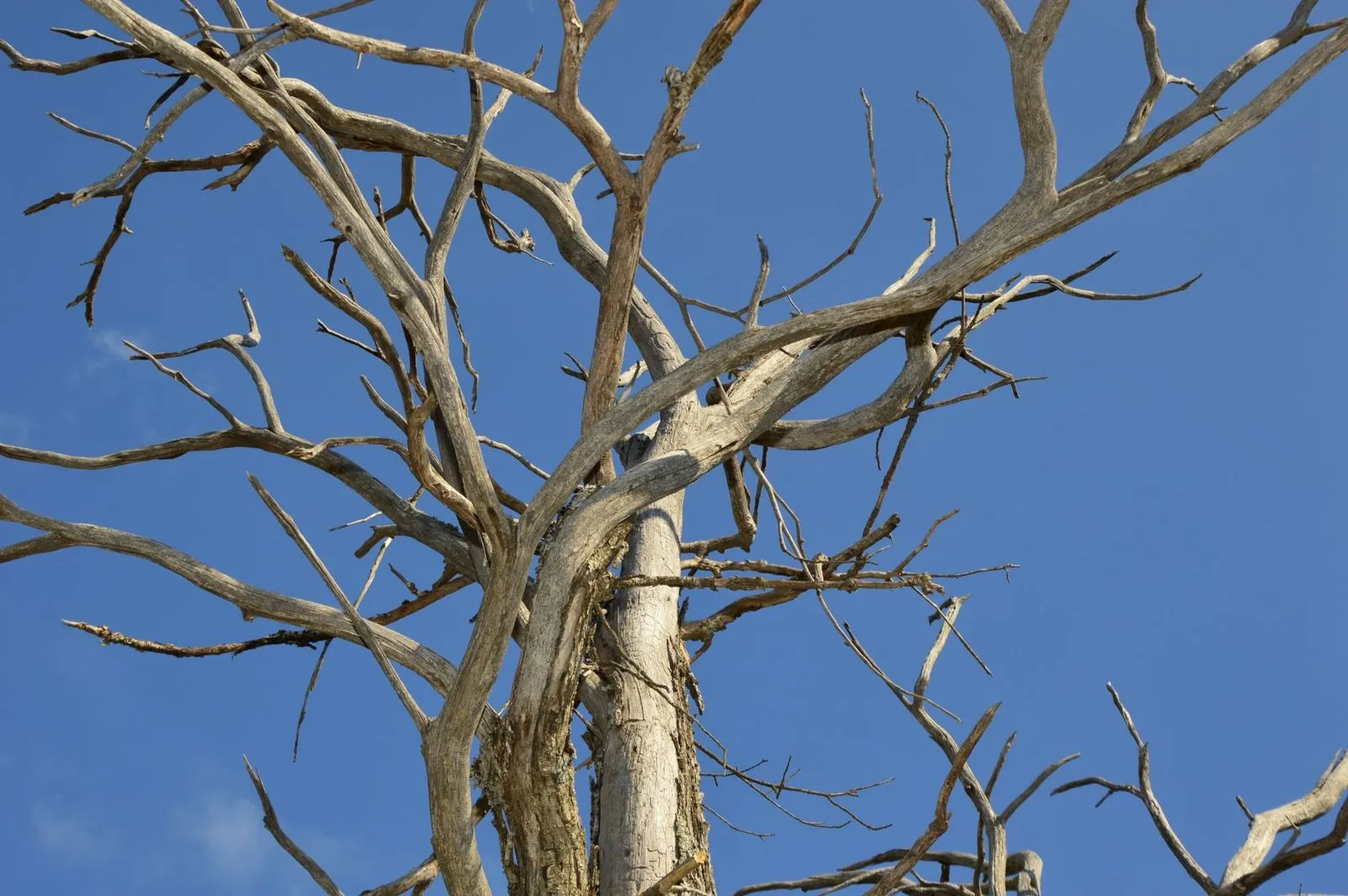
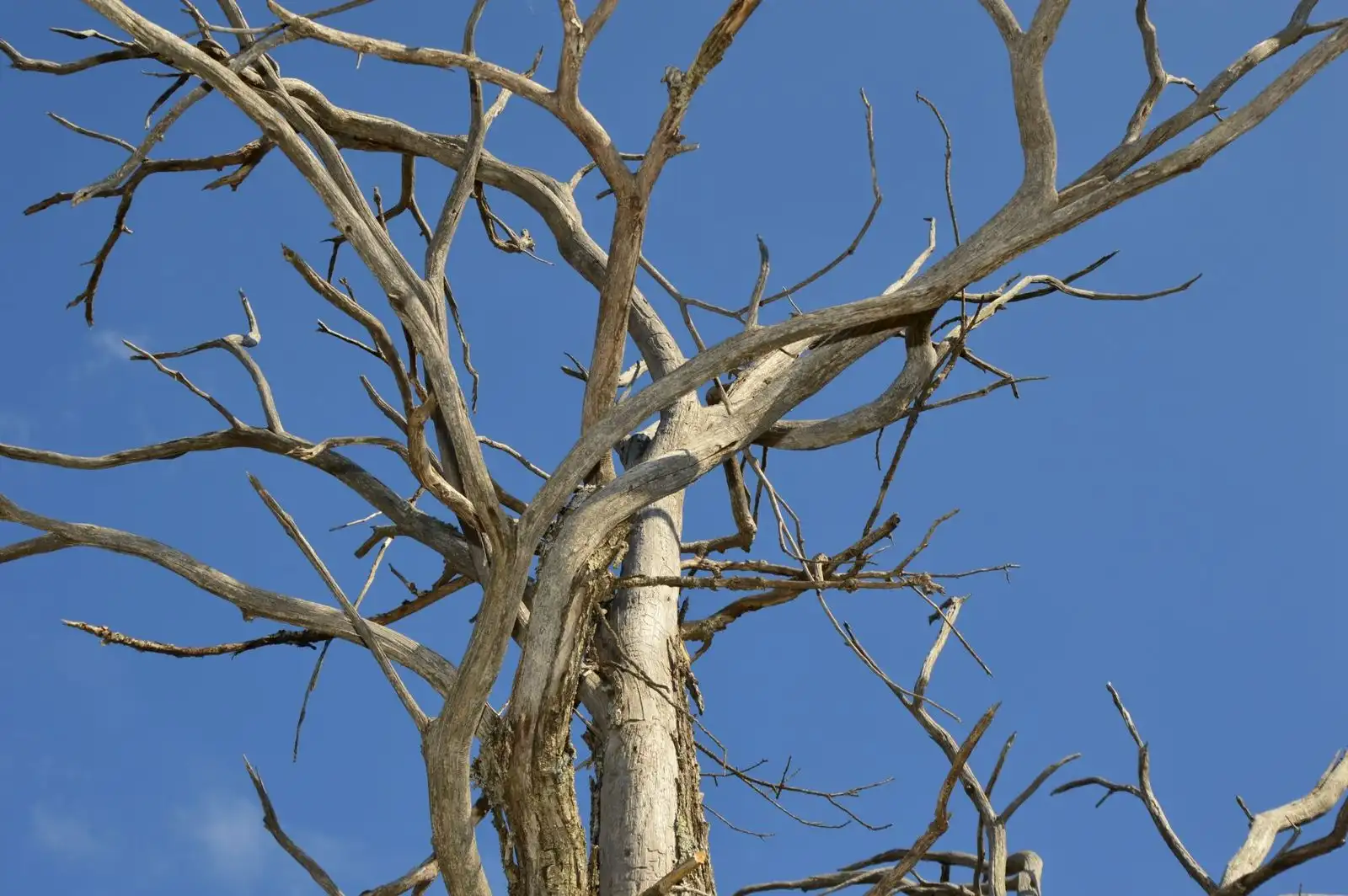
A few dead twigs are normal. Large dead limbs, a dead top, or more than about a third of the canopy gone are not. Widespread dieback means the tree is in real decline, and dead wood high in a big tree is a serious hazard waiting for a windy day. On an ash tree, a thinning top has another possible cause now that emerald ash borer was confirmed in Vancouver, and our guide to telling EAB from other ash problems helps sort it out.
A lean that is new or getting worse
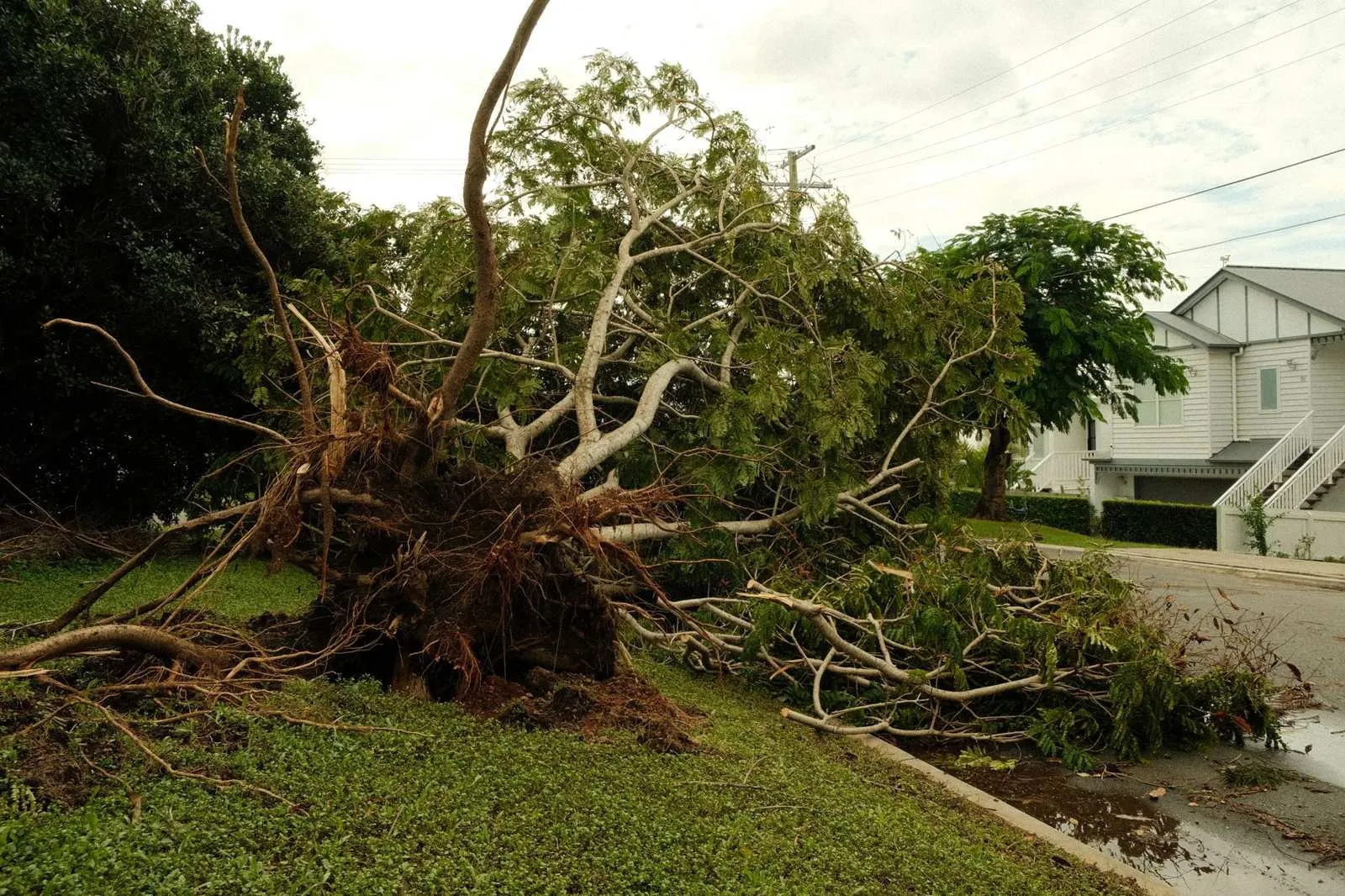
Plenty of healthy trees lean a little and always have. The danger sign is a lean that appeared suddenly or is increasing, especially with cracked or heaving soil and lifted roots on the opposite side. That can mean the root plate is failing, and a tree like that can go over with little warning.
Fungus at the base
Mushrooms or shelf-like conks growing on the trunk or around the root flare often signal internal decay. By the time fungus is fruiting on the outside, the rot inside can be advanced. This is one of the clearest cases for getting an arborist out to assess.
Cracks, cavities, and included bark
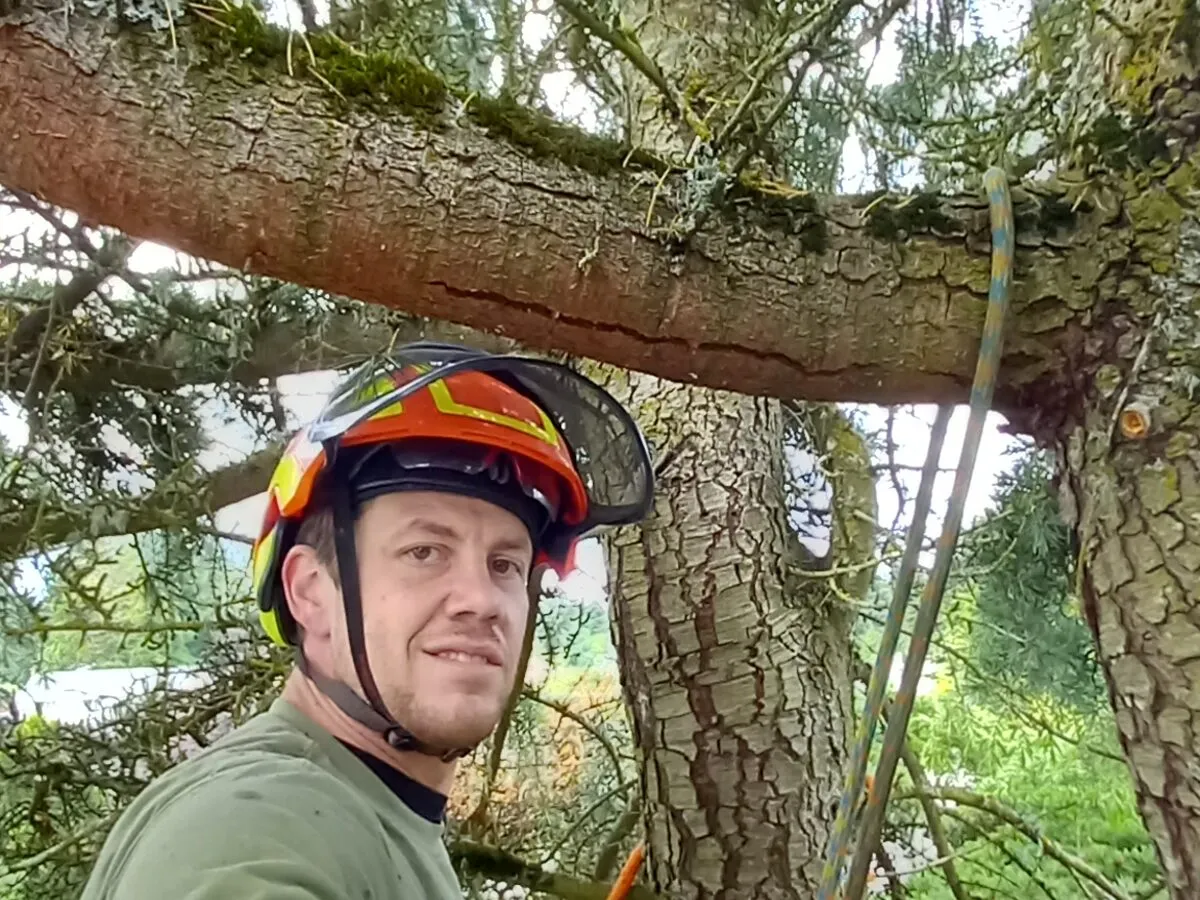
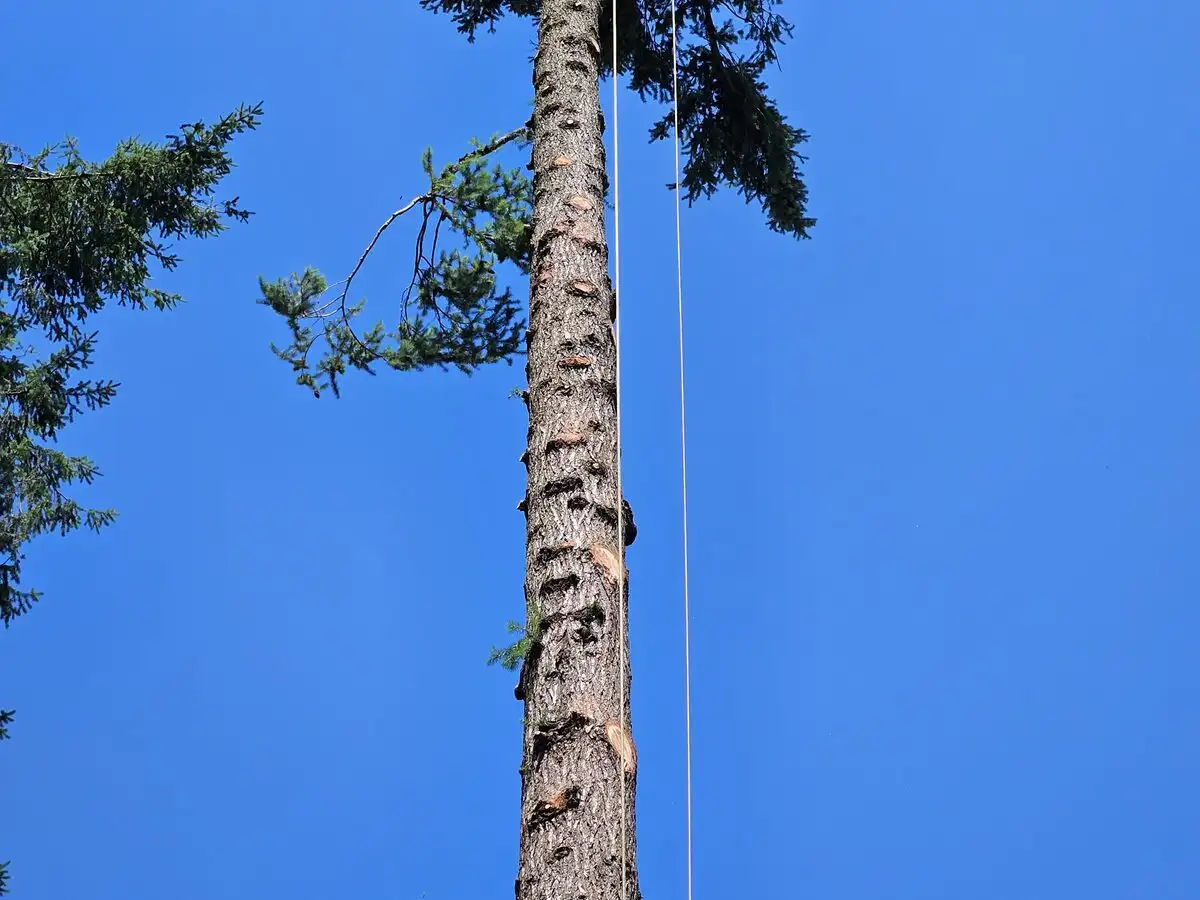
Deep vertical cracks, hollows, and weak V-shaped unions where two stems squeeze together with bark trapped between them are all structural weak points. On a small ornamental that may be manageable. On a 90-foot conifer over your roof, it is a different conversation.
The wrong tree in the wrong place
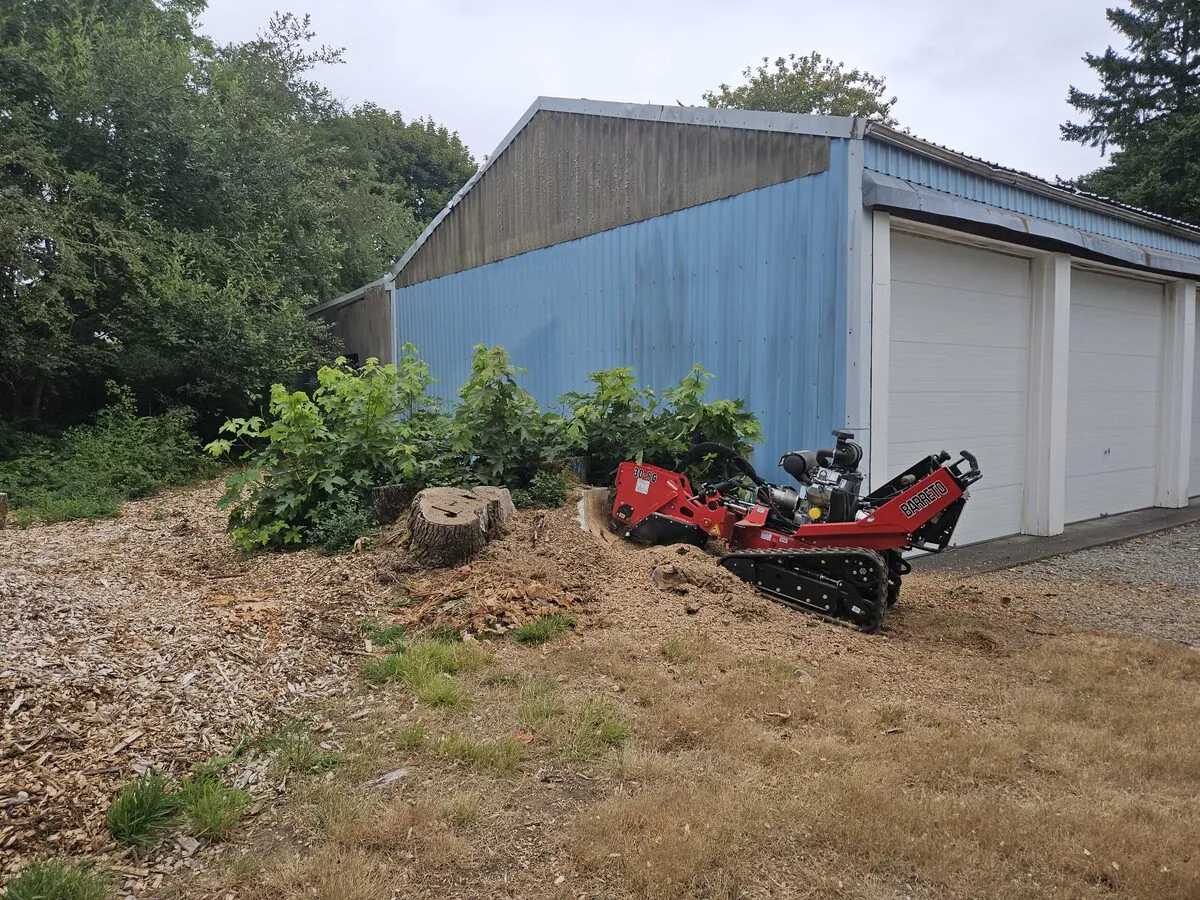
Sometimes the tree is healthy but the situation is not, a fast-growing species planted three feet from the foundation, or a giant that has outgrown a small yard and is now lifting the driveway and filling the gutters. Removal is sometimes the honest answer even for a healthy tree.
When a tree can be saved
Just as often, the answer is good news. Many trees that look alarming are sound and can be kept with the right care:
- A tree with deadwood but a healthy main structure may just need a good round of tree pruning to remove the hazard.
- An overextended limb that worries you can often be reduced rather than removing the whole tree.
- A tree that is too close to the house can sometimes be pruned for clearance instead of removed.
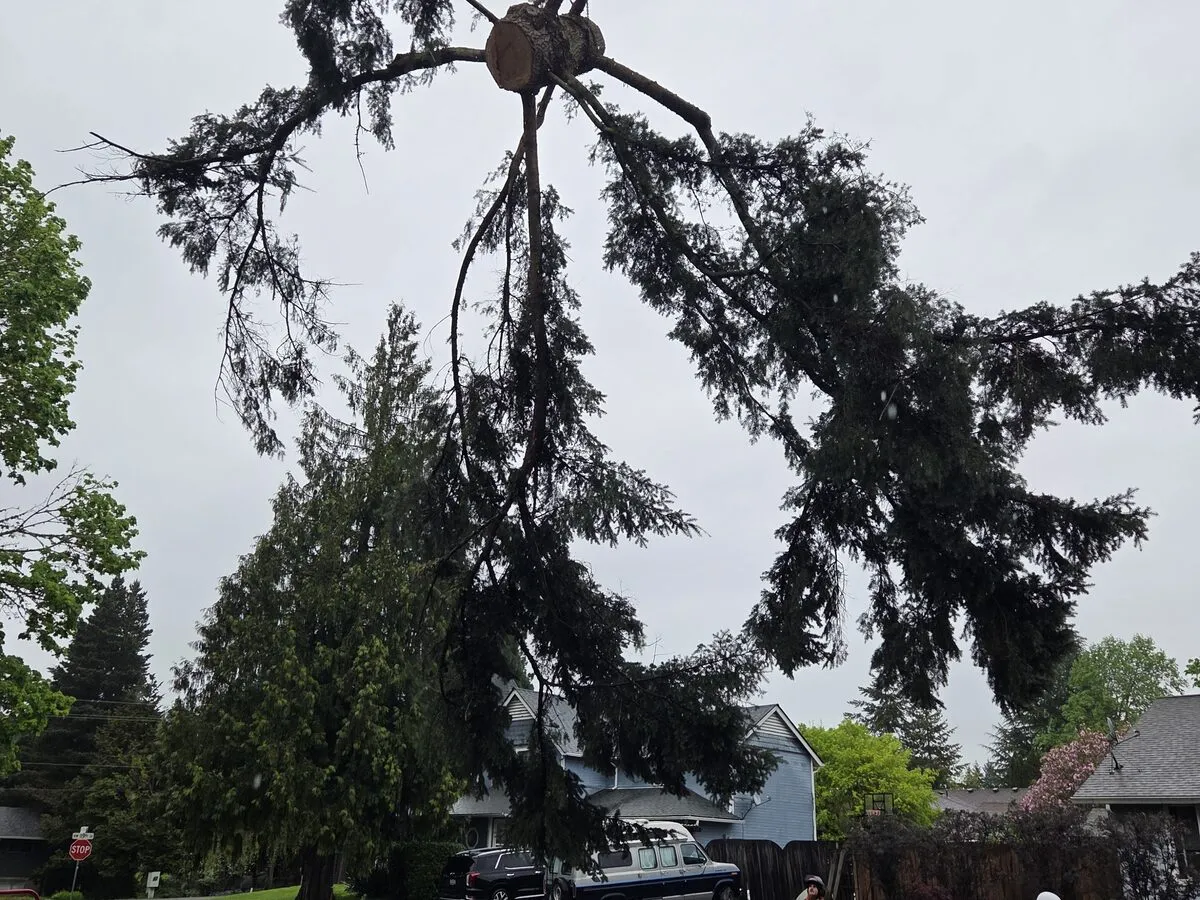
- Storm damage that looks dramatic is frequently repairable with cleanup pruning.
- Webs at the branch tips in late summer are usually fall webworm, which looks alarming and rarely kills a healthy tree.
This is exactly why it pays to have a certified arborist look before you decide. We have talked plenty of homeowners out of removals they did not need.
When in doubt, get it assessed
If a tree near your home shows any of the warning signs above, especially a new lean, basal fungus, or major deadwood, do not wait for the next windstorm to make the decision for you. A tree risk assessment is inexpensive peace of mind, and it gives you a clear, documented answer either way.
Priority Tree Service offers honest evaluations and tree removal across Clark County, from Vancouver and Salmon Creek to Battle Ground, Camas, and Washougal. If you are wondering about a tree, give us a call and we will take a look.