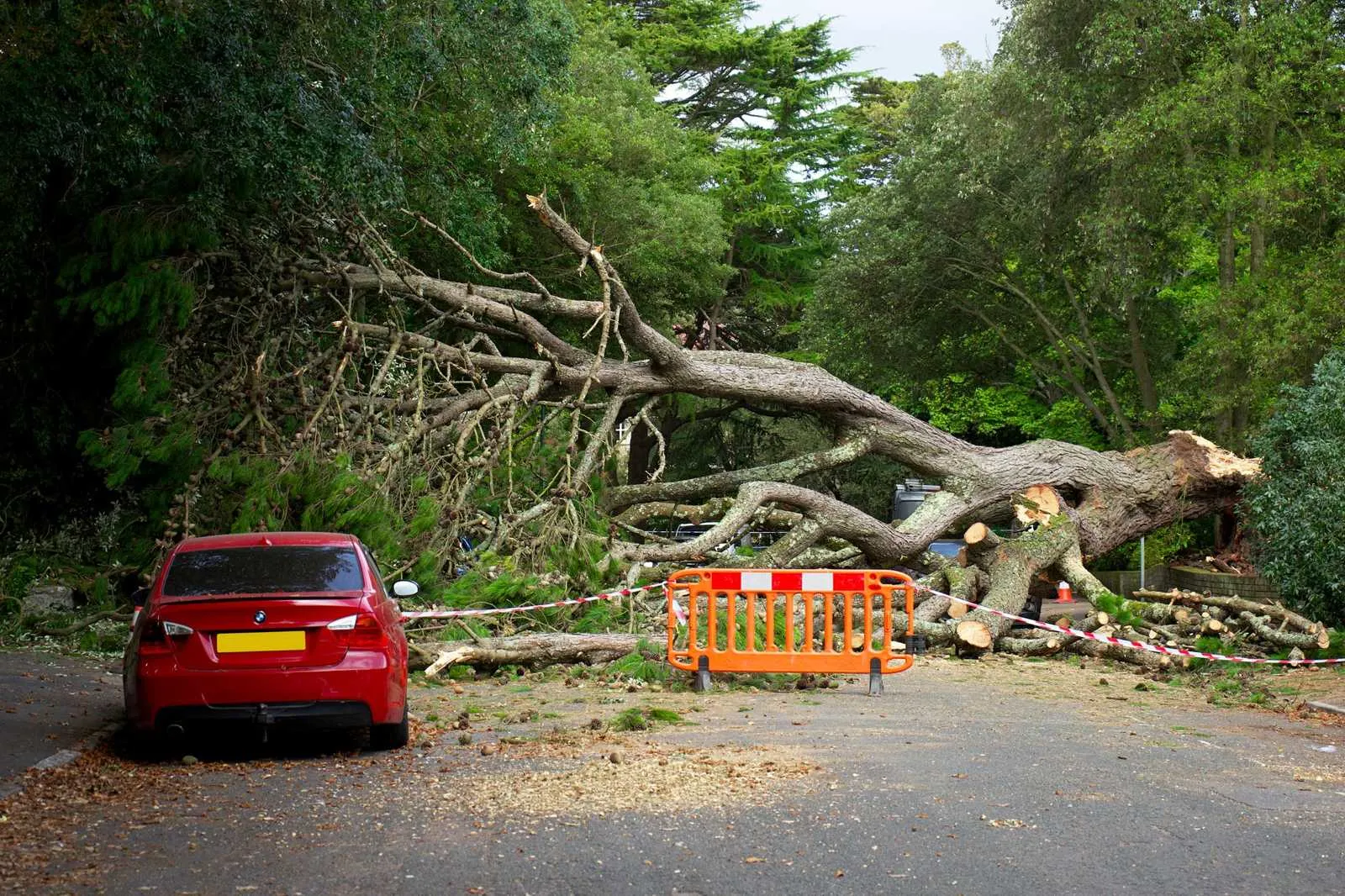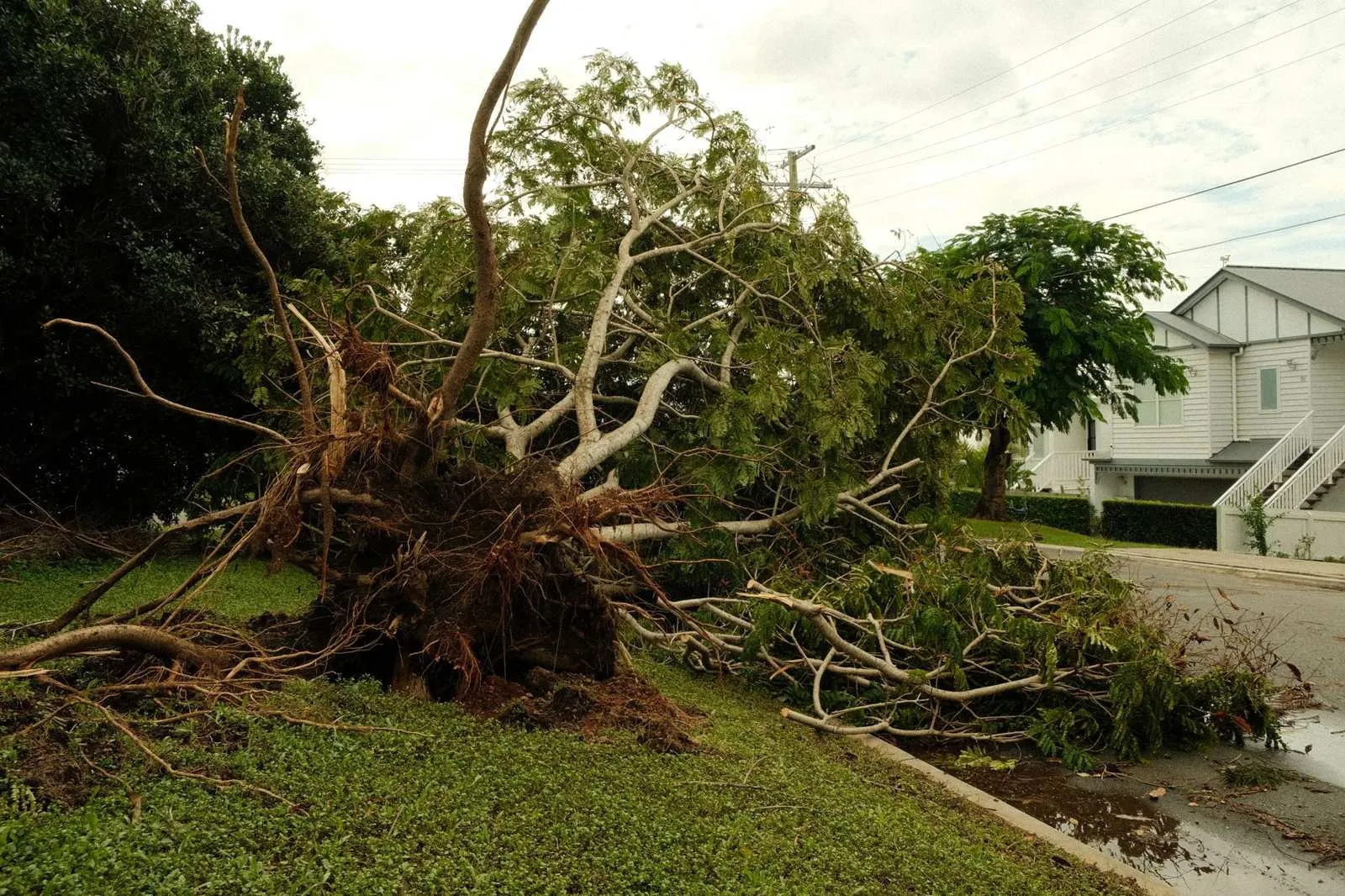
Anyone who has lived through a Pacific Northwest windstorm knows the sound: the roar of the wind, then a crack, then a thud you feel through the floor. Clark County sits where Columbia Gorge east winds and Pacific storm systems both reach us, and every winter brings trees and limbs down across the area. The good news is that most failures give warning signs first, if you know what to look for.
Walk your property and look up
On a calm day, take a slow walk around your trees and actually look up into them. You are checking for the same things an arborist checks: dead wood, weak structure, and signs of root or trunk problems.
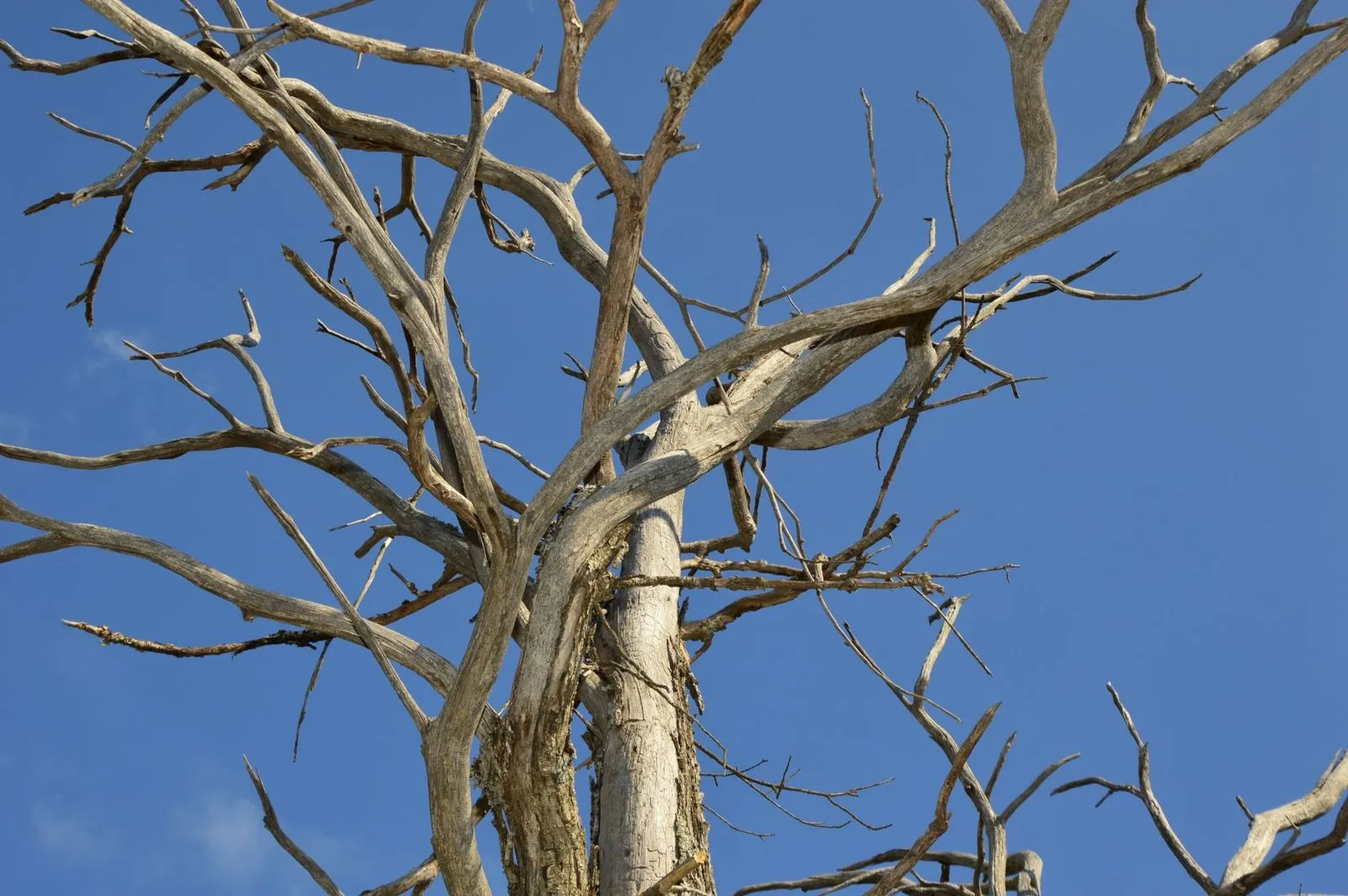
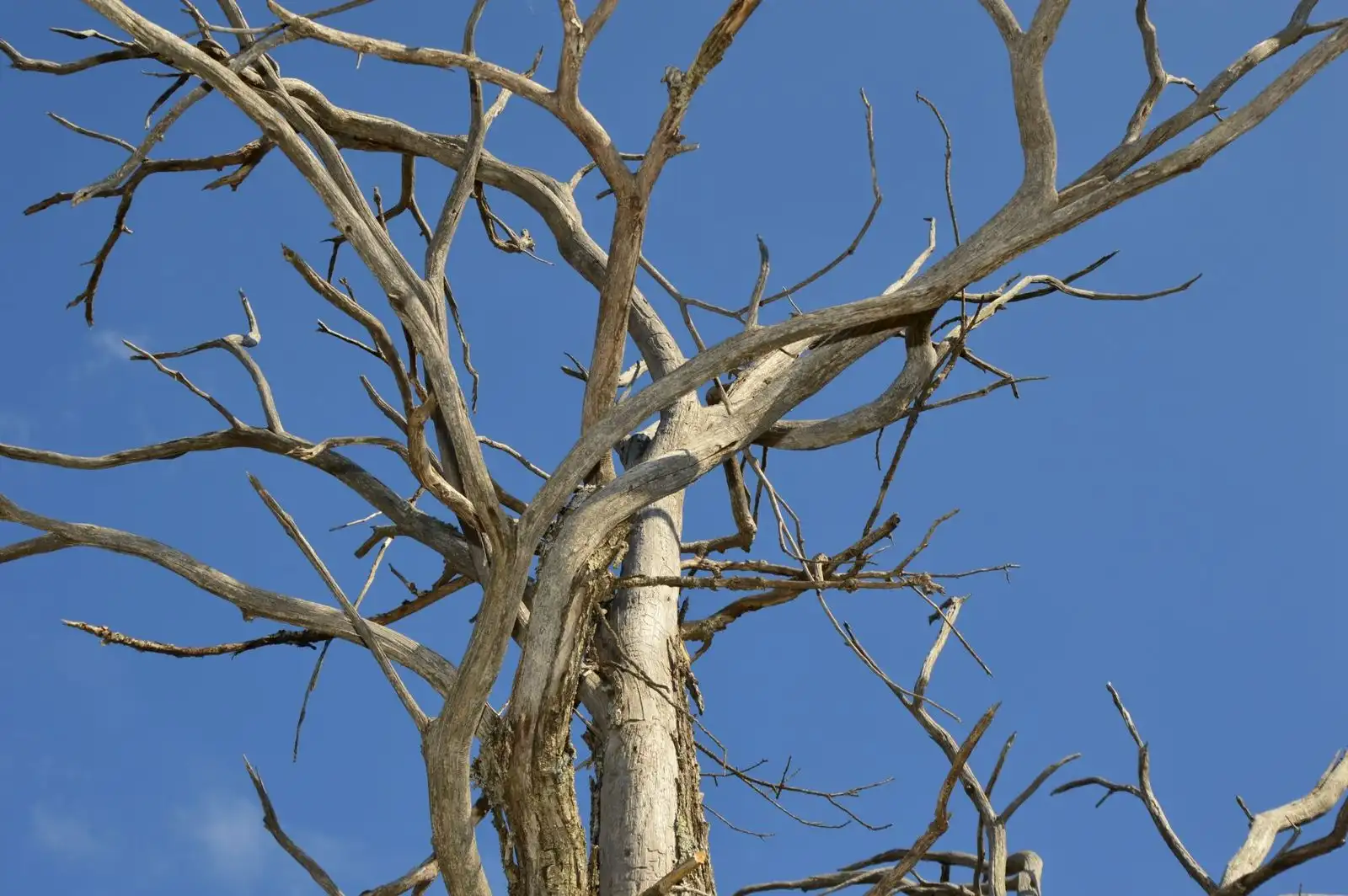
Dead and hanging limbs
Bare limbs with no leaves or needles in season are dead, and dead limbs are the first thing to come down in wind. Worse are limbs already broken and hung up in the canopy, sometimes called widowmakers for good reason. If you see one, stay out from under it and get it removed.
Leaning, and what is under the lean
Check whether any tree is leaning more than it used to, and look at the ground on the high side. Cracked, mounded, or lifting soil and exposed roots are a red flag that the root plate is letting go. A tree leaning over a target, your house, a play area, the driveway, deserves prompt attention.
The trunk and base
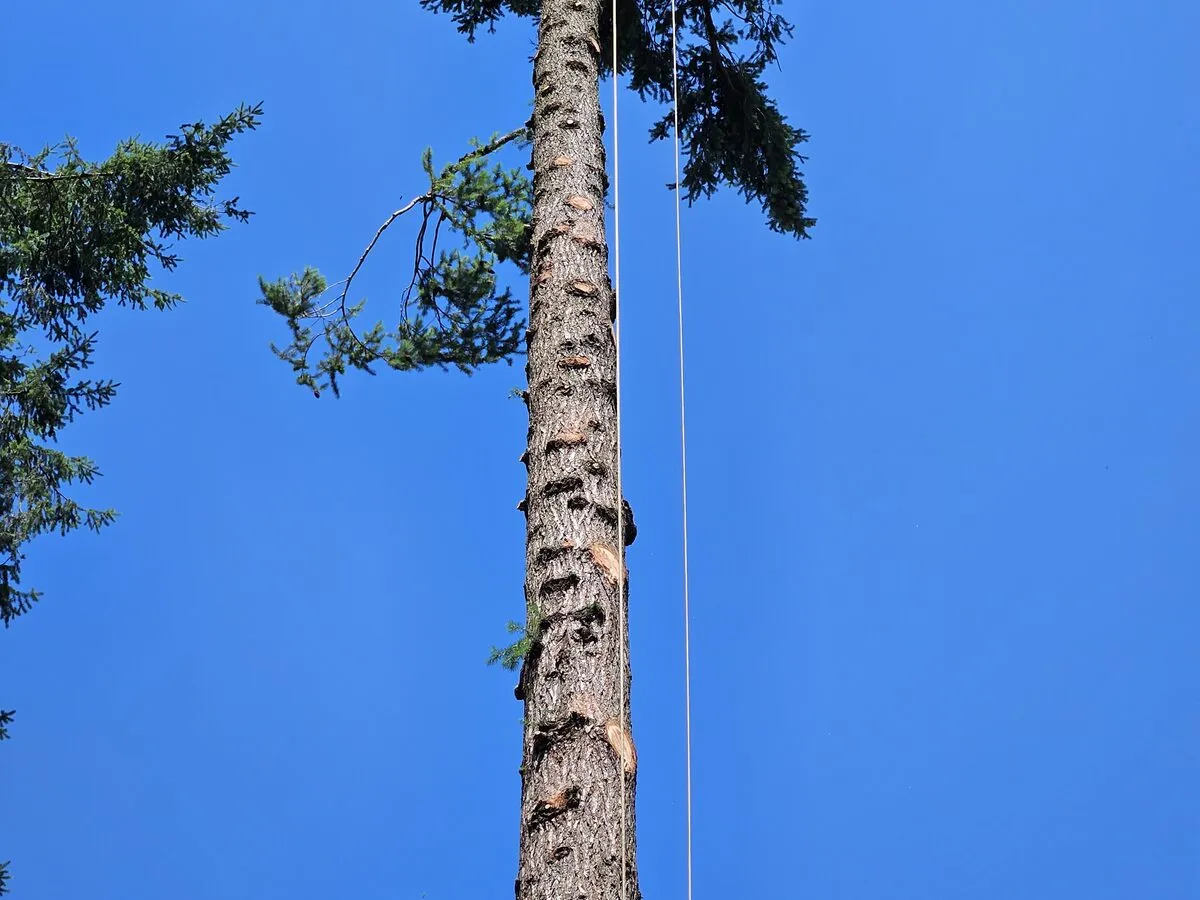
Walk right up to the trunk. Look for deep cracks, large old wounds, soft or hollow spots, and especially mushrooms or hard shelf fungus at the base. Fungus at the root flare often means decay where the tree can least afford it.
Co-dominant stems and tight forks
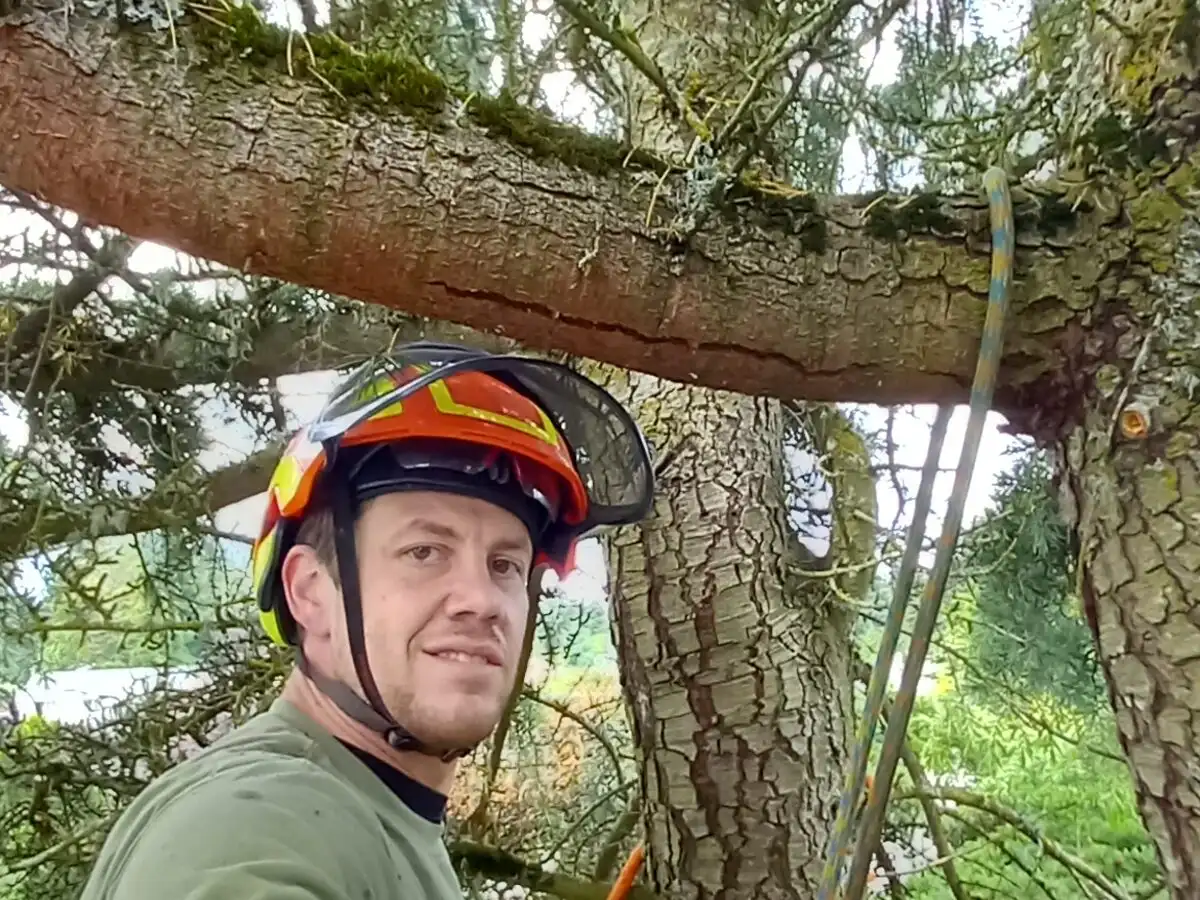
Trees that split into two main trunks low down, with a tight V and bark pinched in the crotch, are structurally weak. These unions are a classic failure point in storms, particularly on big-leaf maples and some firs.
The Pacific Northwest wind factor
Our tall conifers are built for wind, but a few local realities raise the risk. Trees that grew up sheltered in a stand and were suddenly exposed when neighbors built or cleared are more vulnerable. Digging and grade changes near the trunk can loosen a tree the same way, which is why protecting tree roots during yard construction matters before the excavator arrives. Saturated winter soil holds roots less firmly, so the same gust that was fine in August can topple a tree in January. And homes near the Gorge in Camas and Washougal face east winds that hit harder than most of the county.
What to do if you find a problem
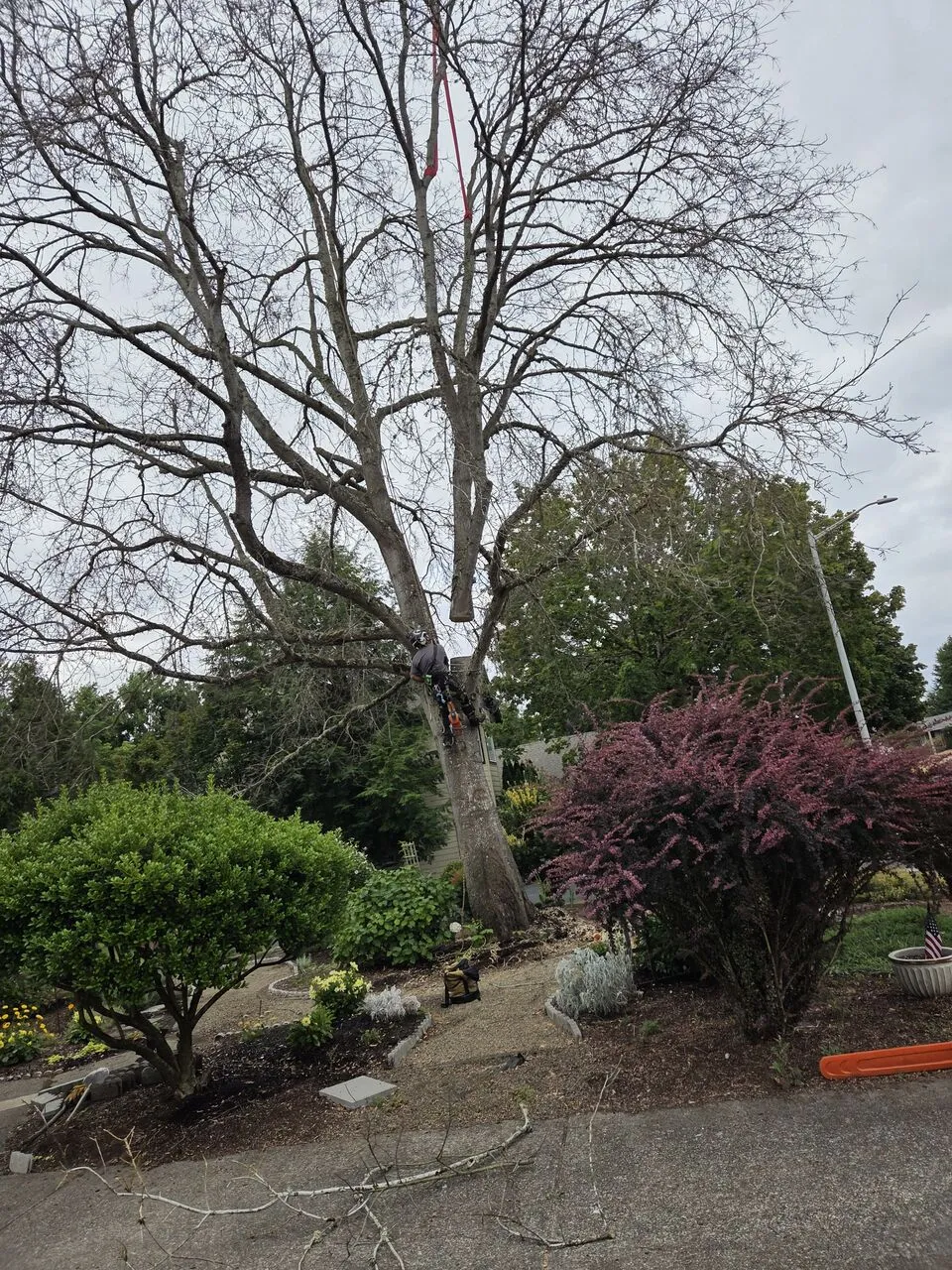
If you spot warning signs, do not try to tackle a big hazard tree yourself, especially one that is leaning or has limbs under tension. That is exactly the situation where DIY goes wrong. Instead:
- Keep people and vehicles out from under the tree until it is dealt with.
- Get a certified arborist to assess it and recommend pruning, cabling, or removal.
- Address it before the wet, windy season rather than during it.
Get ahead of the storm
The best time to deal with a hazardous tree is on a calm fall afternoon, not at midnight in a windstorm. If a tree around your home gives you a bad feeling, trust it and have it looked at. Priority Tree Service provides tree risk assessments and hazard pruning across Clark County, and we offer fast emergency response when a storm beats everyone to it.